Overview
Dogs are social mammals whose needs vary widely with size, age, health and original working purpose. A breed profile can help predict tendencies, but training, early experiences and individual personality matter just as much. Plan for safe identification, daily interaction, preventive veterinary care and a long-term commitment. A practical Siberian Husky care plan should also account for this point: siberian Huskies were bred for endurance and can be athletic, independent and skilled at escaping weak barriers. Use secure fencing and leash control, and plan daily exercise that matches fitness and weather. Their thick double coat needs brushing; shaving it is not a routine cooling solution. Provide shade and avoid overheating in warm conditions.
Siberian Huskies were developed by the Chukchi people of northeastern Siberia for endurance sled work in harsh conditions. Their history explains their stamina and independence. When researching Siberian Husky, compare more than photographs. Ask how the animal behaves during ordinary routines, what it eats, how it responds to handling and whether it has any known medical needs. These details are often more useful than a short description such as friendly or easy to care for. When comparing care options for Siberian Husky, remember that siberian Huskies were bred for endurance and can be athletic, independent and skilled at escaping weak barriers. Use secure fencing and leash control, and plan daily exercise that matches fitness and weather. Their thick double coat needs brushing; shaving it is not a routine cooling solution. Provide shade and avoid overheating in warm conditions.
In day-to-day life, consistency is more valuable than complicated routines. Keep supplies ready, make the environment safe before introducing changes and observe how Siberian Husky responds. If you share your home with children or other animals, plan introductions gradually and supervise until everyone is comfortable. A written care routine can help all household members provide the same standard of care. Owners of Siberian Husky can use this guidance alongside this individual consideration: siberian Huskies were bred for endurance and can be athletic, independent and skilled at escaping weak barriers. Use secure fencing and leash control, and plan daily exercise that matches fitness and weather. Their thick double coat needs brushing; shaving it is not a routine cooling solution. Provide shade and avoid overheating in warm conditions.
History and Origin
Breed history often explains instinctive behaviours such as retrieving, scent tracking, herding, guarding or endurance. Modern companion dogs still benefit when owners provide safe outlets for those instincts through games, training and enrichment rather than expecting every dog to enjoy the same routine. For Siberian Husky, this is especially important: siberian Huskies were bred for endurance and can be athletic, independent and skilled at escaping weak barriers. Use secure fencing and leash control, and plan daily exercise that matches fitness and weather. Their thick double coat needs brushing; shaving it is not a routine cooling solution. Provide shade and avoid overheating in warm conditions.
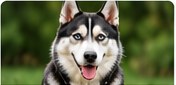
The dense double coat, erect ears and athletic frame are adapted to cold weather. Seasonal coat blow can be heavy, so brushing is important. The history of Siberian Husky should be treated as context, not a fixed prediction. Modern living conditions, breeding choices and an animal's early experiences can change how inherited tendencies appear. Provide appropriate enrichment without encouraging unsafe behaviour. A practical Siberian Husky care plan should also account for this point: siberian Huskies were bred for endurance and can be athletic, independent and skilled at escaping weak barriers. Use secure fencing and leash control, and plan daily exercise that matches fitness and weather. Their thick double coat needs brushing; shaving it is not a routine cooling solution. Provide shade and avoid overheating in warm conditions.
Physical Appearance
Measure adult size by height and weight ranges from a reliable breed organisation, not by puppy appearance. Body condition matters more than a number on the scale. A visible waist and easily felt ribs are useful discussion points for a veterinarian when assessing healthy weight. Owners of Siberian Husky can use this guidance alongside this individual consideration: siberian Huskies were bred for endurance and can be athletic, independent and skilled at escaping weak barriers. Use secure fencing and leash control, and plan daily exercise that matches fitness and weather. Their thick double coat needs brushing; shaving it is not a routine cooling solution. Provide shade and avoid overheating in warm conditions.
Huskies are social, energetic and often independent problem-solvers. Secure fencing matters because many have a strong urge to roam. For Siberian Husky, ask for adult measurements and a realistic growth or development timeline. Keep a record of body condition and discuss any sudden change in weight, coat, posture or movement with a professional who understands this species.
Temperament and Behaviour
Observe how the dog responds to people, handling, unfamiliar sounds and other animals. Reward calm behaviour and teach household manners early. Socialisation should be gradual and positive; forcing a frightened dog into a situation can increase anxiety instead of building confidence. When comparing care options for Siberian Husky, remember that siberian Huskies were bred for endurance and can be athletic, independent and skilled at escaping weak barriers. Use secure fencing and leash control, and plan daily exercise that matches fitness and weather. Their thick double coat needs brushing; shaving it is not a routine cooling solution. Provide shade and avoid overheating in warm conditions.
They need substantial daily exercise and enrichment, but activity should be safe in warm climates. Choose cooler times of day and provide shade and water. Give Siberian Husky time to become familiar with new people, sounds and surroundings. Reward relaxed behaviour, provide a quiet retreat and avoid forcing contact. Children should be shown how to interact calmly and when to leave the animal alone. Owners of Siberian Husky can use this guidance alongside this individual consideration: siberian Huskies were bred for endurance and can be athletic, independent and skilled at escaping weak barriers. Use secure fencing and leash control, and plan daily exercise that matches fitness and weather. Their thick double coat needs brushing; shaving it is not a routine cooling solution. Provide shade and avoid overheating in warm conditions.
Types and Varieties
Coat colours and types may differ, but appearance should never take priority over health and functional structure. Be cautious of sellers marketing extreme body shapes or rare colours at a premium without transparent health information. A practical Siberian Husky care plan should also account for this point: siberian Huskies were bred for endurance and can be athletic, independent and skilled at escaping weak barriers. Use secure fencing and leash control, and plan daily exercise that matches fitness and weather. Their thick double coat needs brushing; shaving it is not a routine cooling solution. Provide shade and avoid overheating in warm conditions.
Discuss eye screening, hip health and other inherited concerns with a veterinarian. Heat management is especially important in warmer regions of the United States and Canada. If you are comparing varieties of Siberian Husky, request transparent health information and meet the animal where possible. Responsible sources should be willing to explain their care practices and answer questions without pressuring you to make an immediate decision. When comparing care options for Siberian Husky, remember that siberian Huskies were bred for endurance and can be athletic, independent and skilled at escaping weak barriers. Use secure fencing and leash control, and plan daily exercise that matches fitness and weather. Their thick double coat needs brushing; shaving it is not a routine cooling solution. Provide shade and avoid overheating in warm conditions.
Care and Grooming
Brush according to coat type, check nails and ears, maintain dental hygiene and use dog-safe grooming products. Long or double coats may need more frequent brushing during seasonal shedding. Ask a groomer or veterinarian for help with mats, skin irritation or painful nails. For Siberian Husky, this is especially important: siberian Huskies were bred for endurance and can be athletic, independent and skilled at escaping weak barriers. Use secure fencing and leash control, and plan daily exercise that matches fitness and weather. Their thick double coat needs brushing; shaving it is not a routine cooling solution. Provide shade and avoid overheating in warm conditions.
Diet and Nutrition
Choose a complete food formulated for the dog’s life stage and health. Large-breed puppies may need carefully balanced growth nutrition. Measure meals, count treats as part of the daily intake and make diet transitions gradually over several days unless a veterinarian advises otherwise. Owners of Siberian Husky can use this guidance alongside this individual consideration: siberian Huskies were bred for endurance and can be athletic, independent and skilled at escaping weak barriers. Use secure fencing and leash control, and plan daily exercise that matches fitness and weather. Their thick double coat needs brushing; shaving it is not a routine cooling solution. Provide shade and avoid overheating in warm conditions.
Training and Enrichment
Use reward-based training to teach name response, recall, loose-leash walking, settling and safe handling. Short sessions repeated consistently are more effective than long, frustrating drills. Provide chew items and enrichment to meet natural needs and prevent boredom. When comparing care options for Siberian Husky, remember that siberian Huskies were bred for endurance and can be athletic, independent and skilled at escaping weak barriers. Use secure fencing and leash control, and plan daily exercise that matches fitness and weather. Their thick double coat needs brushing; shaving it is not a routine cooling solution. Provide shade and avoid overheating in warm conditions.
Health and Common Issues
Keep vaccination, parasite prevention, dental care and routine examinations up to date. Learn breed-associated risks but avoid assuming every dog will develop them. Ask about screening records when choosing a puppy and seek prompt help for sudden changes in behaviour or mobility. A practical Siberian Husky care plan should also account for this point: siberian Huskies were bred for endurance and can be athletic, independent and skilled at escaping weak barriers. Use secure fencing and leash control, and plan daily exercise that matches fitness and weather. Their thick double coat needs brushing; shaving it is not a routine cooling solution. Provide shade and avoid overheating in warm conditions.
Exercise and Living Needs
Match activity to age, weather, fitness and health. Puppies need controlled play and rest; adults may enjoy walks, scent games or retrieving. In hot summer weather, exercise in cooler hours, carry water and watch for overheating. For Siberian Husky, this is especially important: siberian Huskies were bred for endurance and can be athletic, independent and skilled at escaping weak barriers. Use secure fencing and leash control, and plan daily exercise that matches fitness and weather. Their thick double coat needs brushing; shaving it is not a routine cooling solution. Provide shade and avoid overheating in warm conditions.
Is This Pet Right for You?
Consider the dog’s adult size, grooming, exercise, noise, training and veterinary costs. Make a plan for travel, housing rules and daily care before bringing a dog home. Adoption centres and responsible breeders should be open about the animal’s history and needs. Owners of Siberian Husky can use this guidance alongside this individual consideration: siberian Huskies were bred for endurance and can be athletic, independent and skilled at escaping weak barriers. Use secure fencing and leash control, and plan daily exercise that matches fitness and weather. Their thick double coat needs brushing; shaving it is not a routine cooling solution. Provide shade and avoid overheating in warm conditions.
Key Takeaways
A successful relationship depends on suitable expectations, patient training, safe housing, balanced nutrition and preventive health care. Learn the individual dog’s signals, give it choices and build routines that can be maintained throughout its life. When comparing care options for Siberian Husky, remember that siberian Huskies were bred for endurance and can be athletic, independent and skilled at escaping weak barriers. Use secure fencing and leash control, and plan daily exercise that matches fitness and weather. Their thick double coat needs brushing; shaving it is not a routine cooling solution. Provide shade and avoid overheating in warm conditions.
Seasonal and Regional Care Considerations
Across the United States and Canada, heat and humidity can affect dogs differently by coat type, body shape and health. Plan walks during cooler hours, provide shade and water, protect paws from hot surfaces and check local rules for leash use, vaccination and identification. Use a veterinarian familiar with local parasites and seasonal risks. A practical Siberian Husky care plan should also account for this point: siberian Huskies were bred for endurance and can be athletic, independent and skilled at escaping weak barriers. Use secure fencing and leash control, and plan daily exercise that matches fitness and weather. Their thick double coat needs brushing; shaving it is not a routine cooling solution. Provide shade and avoid overheating in warm conditions.
Climate, veterinary access and local housing conditions differ across regions. Ask a nearby qualified veterinarian about region-specific preventive care, safe seasonal routines and any local requirements that apply to your animal. When comparing care options for Siberian Husky, remember that siberian Huskies were bred for endurance and can be athletic, independent and skilled at escaping weak barriers. Use secure fencing and leash control, and plan daily exercise that matches fitness and weather. Their thick double coat needs brushing; shaving it is not a routine cooling solution. Provide shade and avoid overheating in warm conditions.
Frequently Asked Questions About Siberian Husky
Is Siberian Husky suitable for first-time owners?
Siberian Husky may suit a first-time owner who has researched its specific needs and can provide suitable space, time, nutrition, enrichment and professional care. The individual animal and household are more important than a general breed label. Owners of Siberian Husky can use this guidance alongside this individual consideration: siberian Huskies were bred for endurance and can be athletic, independent and skilled at escaping weak barriers. Use secure fencing and leash control, and plan daily exercise that matches fitness and weather. Their thick double coat needs brushing; shaving it is not a routine cooling solution. Provide shade and avoid overheating in warm conditions.
What should I prepare before bringing Siberian Husky home?
Prepare a safe species-appropriate environment, suitable food, clean water, enrichment and a plan for veterinary care. Learn the daily routine and remove household hazards before the animal arrives. For Siberian Husky, this is especially important: siberian Huskies were bred for endurance and can be athletic, independent and skilled at escaping weak barriers. Use secure fencing and leash control, and plan daily exercise that matches fitness and weather. Their thick double coat needs brushing; shaving it is not a routine cooling solution. Provide shade and avoid overheating in warm conditions.
What does Siberian Husky eat?
Food requirements depend on species, age, health and activity. Choose a complete, species-appropriate diet and ask a qualified veterinarian about portions, treats and any special dietary needs. A practical Siberian Husky care plan should also account for this point: siberian Huskies were bred for endurance and can be athletic, independent and skilled at escaping weak barriers. Use secure fencing and leash control, and plan daily exercise that matches fitness and weather. Their thick double coat needs brushing; shaving it is not a routine cooling solution. Provide shade and avoid overheating in warm conditions.
How can I keep Siberian Husky healthy?
Provide preventive veterinary care, suitable nutrition, clean housing, safe activity and daily observation. Seek professional advice promptly if appetite, movement, breathing or behaviour changes. When comparing care options for Siberian Husky, remember that siberian Huskies were bred for endurance and can be athletic, independent and skilled at escaping weak barriers. Use secure fencing and leash control, and plan daily exercise that matches fitness and weather. Their thick double coat needs brushing; shaving it is not a routine cooling solution. Provide shade and avoid overheating in warm conditions.
Where can I learn about other dogs?
Explore the dog directory to compare Siberian Husky with other breeds and review the practical differences in size, activity and coat care. For Siberian Husky, keep this guidance in view: Siberian Huskies were bred for endurance and can be athletic, independent and skilled at escaping weak barriers. Use secure fencing and leash control, and plan daily exercise that matches fitness and weather. Their thick double coat needs brushing; shaving it is not a routine cooling solution. Provide shade and avoid overheating in warm conditions.